
In an era of intense business competition, leveraging technology to maximize organizational efficiency is paramount. Among the most sought-after systems by modern businesses is ERP (Enterprise Resource Planning). However, investing in an ERP system is no small feat, and without meticulous budget planning, it can lead to spiraling costs and poor return on investment. In this article, Achiever (ACECloud) will guide you through the principles of transparent ERP investment budget planning, ensuring your business reaps maximum benefits from its investment.
Why ERP Budget Planning is Crucial for Businesses
Investing in an ERP system is a strategic decision that impacts every facet of an organization, from finance and accounting to inventory and customer management. Clear budget planning from the outset allows you to:
- Control costs Prevent budgets from exceeding initial forecasts.
- Prioritize correctly Allocate resources to the most essential areas.
- Accurately assess Return on Investment (ROI) Gain a clear picture of expected profits and efficiency gains.
- Foster transparency Ensure all stakeholders understand the rationale behind expenditures.
Without proper planning, businesses may face issues such as project delays, unforeseen expenses, or even the failure to successfully implement the system.
Key Components of an ERP Investment Budget
An ERP investment extends beyond just software costs; it encompasses several critical expenditure areas that demand careful consideration. Achiever outlines the main components to provide a comprehensive overview:
1. ERP Software Costs
- Software licenses or monthly/annual subscription fees This is the primary cost for the ERP system itself, which can vary based on the usage model. For instance, Achiever’s comprehensive Cloudplus ERP system or Quick ERP for businesses seeking a faster, more cost-effective start.
- Number of users Costs often scale with the number of users accessing the system.
- Modules and add-on functions If your business has specific needs, you might require additional modules, such as TrippleSales for CRM, StoreX POS for retail, or Sell Flow for sales operations. All these can integrate seamlessly with Achiever’s ERP system.
2. Implementation and Customization Costs
- Implementation services This includes configuring the system to match your business processes.
- System customization If standard features don’t meet specific requirements, businesses may need to customize functions or develop add-ons. Achiever offers software and application development services (Web App / Mobile App) to create bespoke solutions that integrate with your ERP.
- System integration Connecting the ERP with existing systems, such as legacy accounting software or e-commerce platforms.
3. Infrastructure and Cloud Costs
For cloud-based ERP systems, which are highly popular today, businesses must consider these costs in detail.
- Cloud service fees If you opt for Cloudplus ERP or Quick ERP, which operate on the cloud, you’ll need to account for costs associated with using cloud platforms like AWS. As an AWS Partner, Achiever provides Cloud Managed Service and Cloud Migration services to help businesses control costs and maximize efficiency.
- Backup and disaster recovery costs Investing in data security is crucial and should not be overlooked.
4. Training and Support Costs
- User training fees To ensure employees can utilize the ERP system to its full potential.
- Maintenance and support fees Annual or monthly costs for system updates, troubleshooting, and consultation.
How to Plan ERP Expenses for Transparency and No Cost Overruns
To avoid budget overruns and foster transparency in your investment, Achiever recommends the following steps:
1. Define Clear Scope and Requirements
Before starting, thoroughly assess your business needs—what do you want the ERP to achieve? Which functions are essential, and which are supplementary? A clear scope helps limit unnecessary customizations and reduces the risk of “scope creep,” where added functionalities inflate the budget.
2. Choose the Right ERP Model
Consider between On-Premise (installed on your own servers) and Cloud-based ERP. Achiever specializes in cloud ERP systems such as Cloudplus ERP and Quick ERP. Opting for a cloud-based system often significantly reduces initial infrastructure costs and long-term maintenance expenses, as you don’t need to invest in large servers and an extensive IT team.
3. Request Detailed and Comprehensive Quotes
When consulting a service provider like Achiever, request a quote that clearly itemizes all cost components: software, implementation, customization, training, and maintenance. This provides a holistic view of the total expenditure.
4. Consider Total Cost of Ownership (TCO)
Don’t just look at initial expenses; evaluate the TCO, which includes all costs over the system’s lifespan, both direct and indirect. Utilizing Achiever’s Cloud Managed Service can help businesses effectively control TCO through optimized and transparent cloud resource management.
5. Allocate a Contingency Budget
No matter how well-planned, unforeseen circumstances can arise. Allocating a contingency budget of approximately 10-20% of the total budget will help cover emergencies.
6. Leverage Achiever’s Analytical Tools
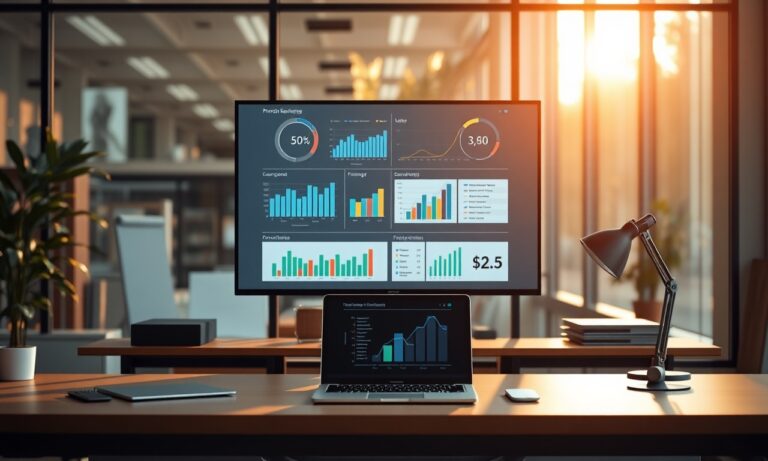
Achiever’s ERP systems come equipped with business intelligence Dashboards that enable executives to monitor financial status, sales, and inventory in real-time. This data is crucial for evaluating investment performance and keeping costs in line with the plan.
Achiever An ERP Solution for Confident Budget Planning
At Achiever, we understand that investing in an ERP system is a significant decision. We are committed to offering solutions that help your business plan its budget transparently and avoid cost overruns.
- Cloudplus ERP and Quick ERP offer flexible options for businesses of all sizes, with clear and scalable cost models based on your needs.
- Cloud Managed Service for AWS clients helps you save on infrastructure and maintenance costs, with expert teams ensuring your system runs smoothly.
- Easy system integration and an all-in-one suite of tools reduce complexity and costs associated with connecting various systems.
- AI Inbox and Business Intelligence Dashboards provide deep insights for decision-making and performance tracking to precisely control your budget.
Careful ERP investment budget planning is the first step towards successful system implementation and maximum benefit. Achiever is ready to be your business partner in achieving that goal.
Conclusion
Investing in an ERP system is a worthwhile endeavor with proper budget planning. Understanding all cost components, selecting the right solution, and collaborating with an experienced provider like Achiever will ensure your business implements an ERP system efficiently, transparently, and without cost overruns.
Interested in consulting or seeking further advice on ERP systems and cloud solutions for your business? Contact Achiever (ACECloud) today! We are ready to provide consultation and design solutions tailored to your needs and budget.
Interested in our ready-made software?
Let’s talk and turn your idea into real sales Tel: 080-9130199
 LINE: @achiver
 https://lin.ee/E6eAE0F